What to Look for in Tree Pruning Experts
Why Proper Pruning Matters More Than You Think
I have spent years working with trees in Volusia County, and if there is one thing I have learned, it is that pruning is not just about making a tree look neat. Done wrong, it can shorten a tree's life, invite disease, or even create hazards that show up years later. Done right, it encourages strong structure, better fruit or flower production, and a healthier canopy that can withstand Florida's storms.
Most homeowners only think about pruning when a branch is scraping the roof or after a hurricane has passed. By then, the tree has already been stressed, and the work is often reactive rather than preventive. That is where experienced judgment comes in. The best tree pruning experts I have worked with do not just cut branches. They read the tree's growth patterns, understand its species-specific needs, and make cuts that promote long-term health.
The Difference Between a Hack and a Pro
There is a big gap between someone with a chainsaw and someone who truly understands tree biology. I have seen crews top a live oak because it was cheaper than proper thinning. Topping is one of the worst things you can do to a tree. It removes the crown's main structure, forces weak regrowth, and leaves the tree vulnerable to decay. A real professional never recommends topping. They will suggest reduction cuts or selective thinning instead, even if it takes more time.
Another common mistake is over-pruning. Some people think that stripping a tree bare lets more light in, but removing too many leaves starves the roots and stresses the tree. Good tree pruning experts know the one-third rule: never remove more than a third of the live canopy in a single season. They also know when to stop. If a tree needs major work, they might recommend spreading it over two or three years.
What a Good Pruning Job Looks Like
When I walk a property with a client, I point out a few things that separate quality work from the rest. First, look at the cut placement. A proper cut is made just outside the branch collar, the swollen area where the branch meets the trunk. Flush cuts that remove that collar damage the tree's natural defense system and slow healing. Second, check for stubs. Leaving a stub invites rot and insects. Every cut should be clean and purposeful.
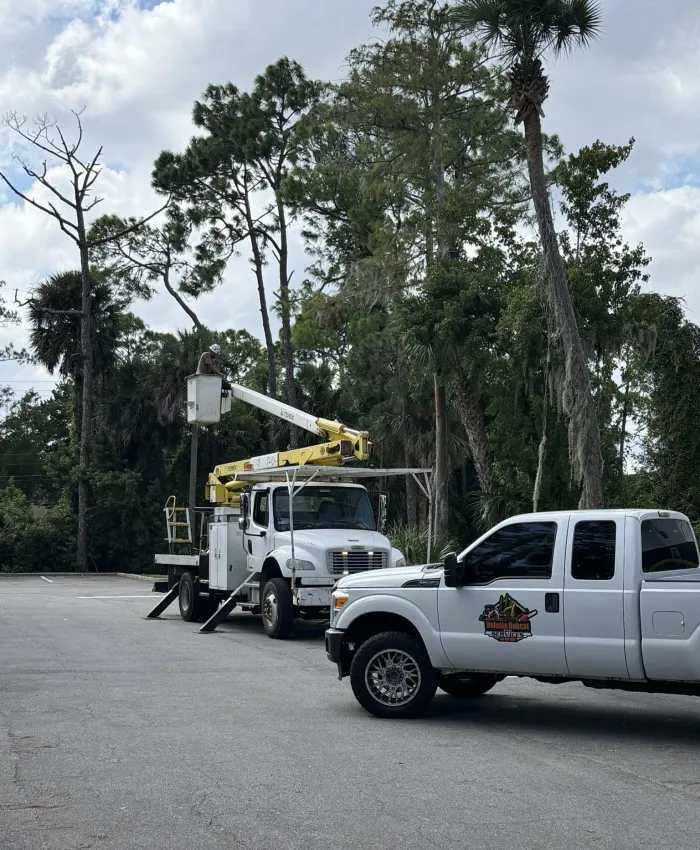
Third, consider the overall shape. A well-pruned tree should still look like itself. You should not be able to tell it has been pruned from a distance. The goal is to enhance the natural form, not force it into something artificial. Fourth, look at what was removed. Dead, diseased, or crossing branches should be gone. Weak crotches where two branches grow too close together should be addressed. Good pruning also includes removing suckers from the base and water sprouts from the trunk.
Timing and Species Matter
One thing I always stress is that pruning is not a one-size-fits-all task. Different species have different growth cycles and response to cuts. For example, oaks in Florida should be pruned during the dormant season, roughly November through February, to reduce the risk of oak wilt. But palms are a whole different story. Palms only need dead fronds and fruit stalks removed, and over-pruning a palm can actually kill it by depriving it of nutrients.
I once consulted on a property where the owner had pruned a young maple every summer for three years because they wanted it to stay small. What they got was a stunted tree with weak limbs and a poor structure. A better approach would have been to let the tree grow naturally and only remove problem branches. The lesson is that pruning should serve the tree's long-term health, not just the owner's short-term convenience.
Tools and Technique
Even the most knowledgeable tree pruning experts can cause damage if they use dull or dirty tools. A clean cut with sharp bypass pruners or a sharp saw heals faster and reduces the chance of infection. I always recommend sterilizing tools between trees, especially if you are dealing with diseased wood. A simple bleach solution or rubbing alcohol works fine.
- Hand pruners for branches under half an inch
- Loppers for branches up to an inch and a half
- Pruning saw for larger branches
- Pole pruner for high, thin branches you can reach safely
- Chainsaw for heavy limbs, but only with proper training and safety gear
Each tool has its place. Using a chainsaw for a small branch is overkill and can lead to sloppy cuts. Using hand pruners for a thick limb will leave a ragged wound. The right tool for the right job is a simple rule that too many people ignore.
Safety and Liability
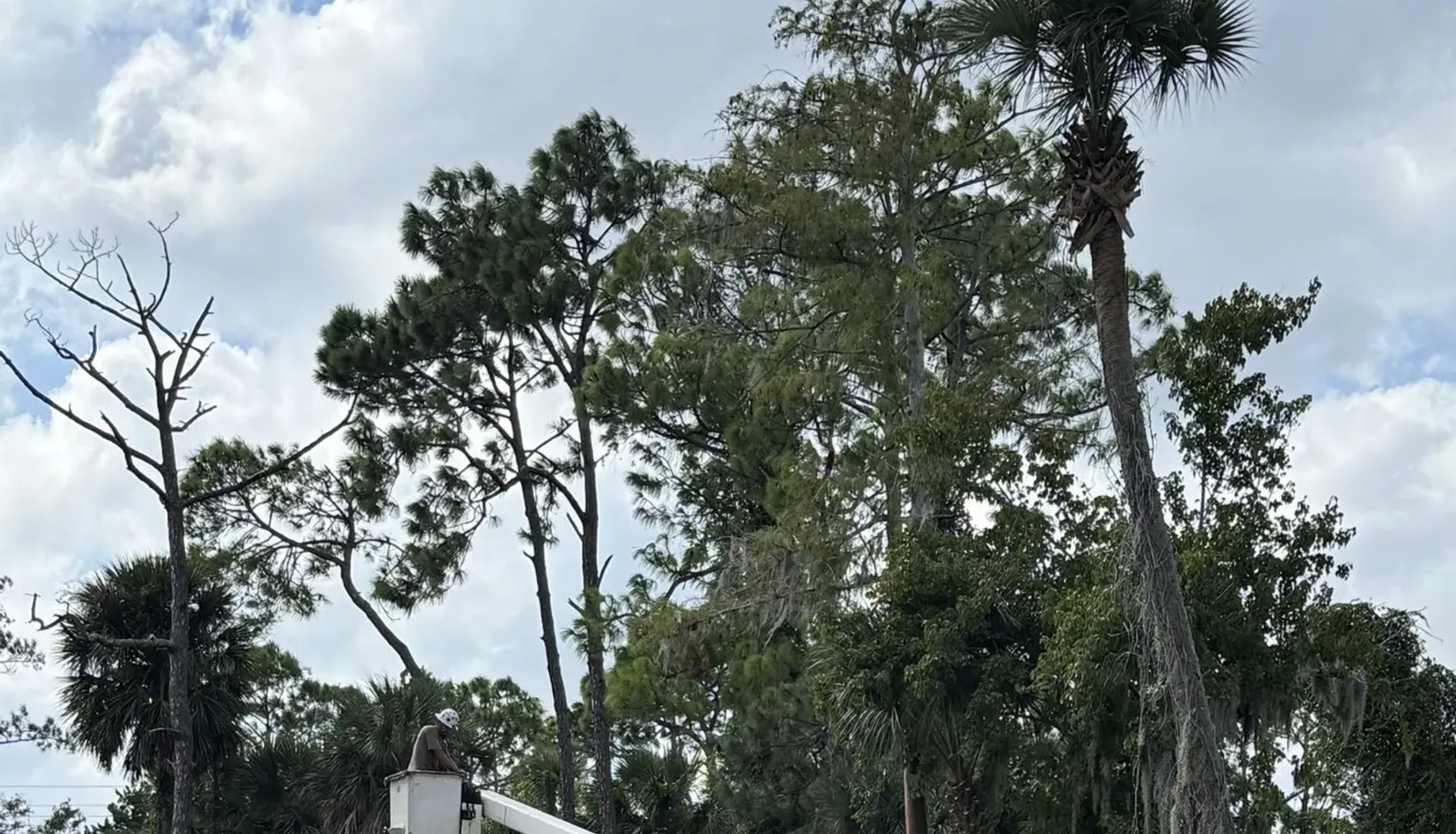
Tree work is dangerous. Every year, people are seriously injured or killed trying to prune their own trees. Branches can weigh hundreds of pounds, and a falling limb can crush a ladder or a person in seconds. Professional tree pruning experts carry insurance for a reason. They also know how to rig ropes to lower branches safely, how to use climbing gear properly, and how to assess whether a tree is stable enough to climb.
I always tell homeowners that if a tree is near a house, power line, or busy street, it is worth hiring someone with experience and insurance. The cost of a professional job is small compared to the potential cost of a mistake. And do not just take their word for it. Ask for proof of insurance and check references. A reputable company will have no problem providing both.
Connect with us on Facebook.
When to Call for Help
Not every tree needs pruning every year. Mature trees often need attention only every three to five years. But there are signs that tell you it is time. If you see dead branches, especially large ones, that is a safety issue. If branches are rubbing against each other, that can create wounds. If the canopy looks thin or lopsided, the tree may be stressed and need selective thinning. If a storm has damaged the tree, you may need emergency pruning to prevent further breakage.
For young trees, formative pruning in the first few years sets the structure for the rest of their lives. It is worth investing in good work early. A well-trained arborist can select a central leader, remove competing branches, and encourage a strong scaffold that will support the tree for decades.
The Value of Local Knowledge
Volusia County has its own set of challenges for trees. Hurricanes, sandy soil, and pests like the laurel wilt disease all affect how trees grow and how they should be pruned. Local tree pruning experts understand these conditions because they see them every day. They know which species are prone to storm damage and which ones recover well. They know that a sea grape needs different care than a live oak or a crape myrtle. That local experience is something you cannot get from a national chain or a weekend warrior with a rental truck.
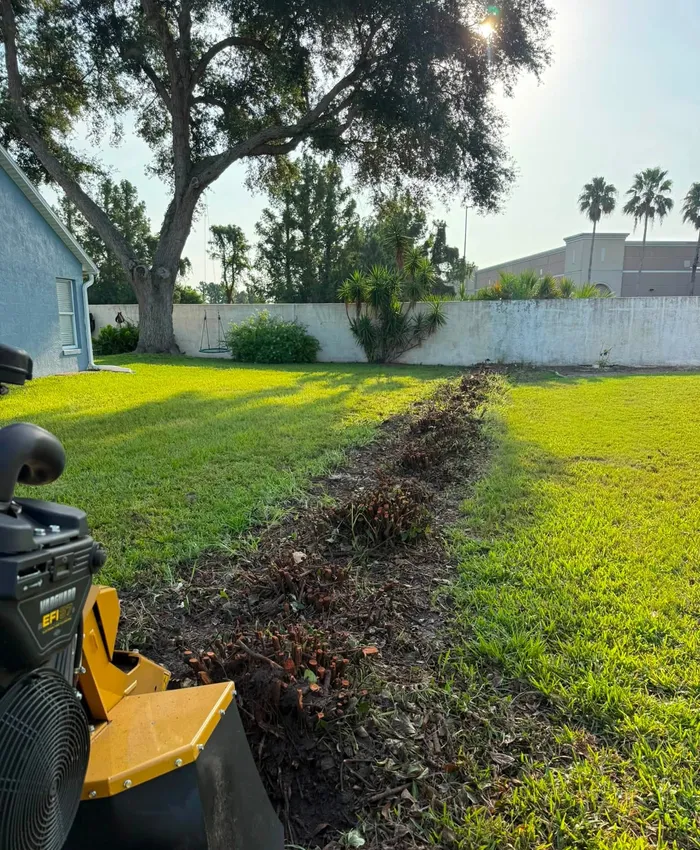
When you choose a professional rooted in the community, you get someone who cares about the trees they work on because those trees are part of the same landscape they live in. That connection shows in the quality of the work.
Volusia Bobcat & Tree Service, located at 210 Valencia Rd, DeBary, FL 32713, USA, phone +1 386-675-7898, is a locally rooted tree service company in Volusia County, Florida, offering professional tree removal, trimming, stump grinding, emergency services, and firewood sales.